DMEA 2026 Recap: What We Heard, What We Learned, What's Next
A quick post-show summary from HMS—key themes from Berlin and how our contactless bedside safety workflows fit into real-world care needs.
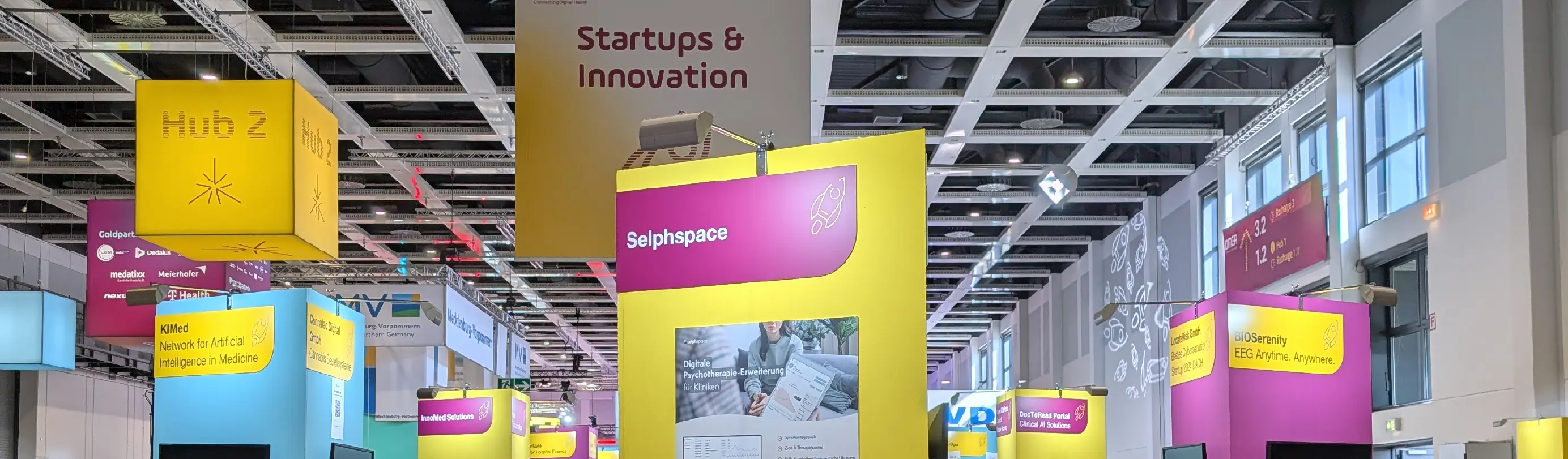
Thank you to everyone who met with HMS during DMEA 2026 in Berlin. Beyond showcasing technology, DMEA was a valuable opportunity to listen—understanding what hospitals, care providers, and solution partners are prioritizing right now, and where real deployment friction still exists.
01 What we heard on the show floor
Across conversations, several themes came up repeatedly:
-
Patient safety programs need measurable workflows—not just devices. Stakeholders asked for clear “before/after” impact (incident reduction, staff time saved, fewer false alarms).
-
Privacy expectations are rising. Many teams want monitoring approaches that are acceptable to patients and families while remaining clinically useful.
-
Operational pressure is real—especially at night. Solutions that help teams prioritize attention and reduce unnecessary interruptions resonated strongly.
-
Integration readiness matters. People wanted to know how a solution fits into existing processes, dashboards, and documentation routines.
02 How HMS addresses these needs
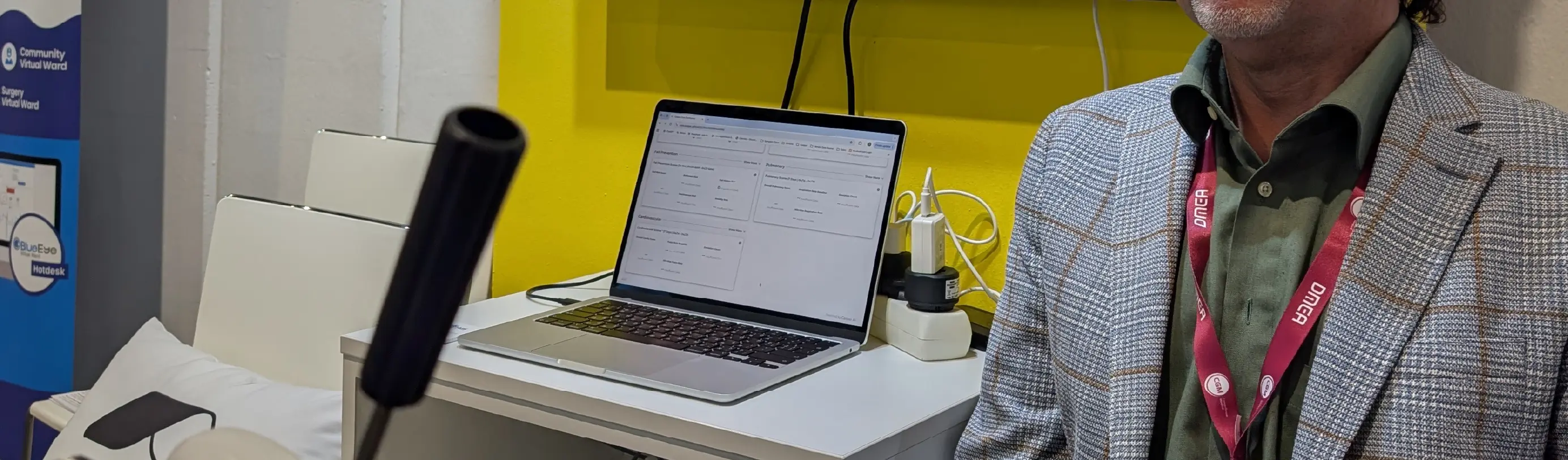
At DMEA, we demonstrated how HMS supports bedside safety workflows with a contactless approach designed for real care environments—helping teams identify risk earlier (e.g., bed-exit risk scenarios), prioritize response, and reduce avoidable disruptions.
Instead of focusing only on “signals,” our emphasis is on actionable care workflows —what staff see, how alerts are handled, and how monitoring supports day-to-day operations.
03 What's next (post-show follow-ups)
We're now scheduling post-show sessions for:
-
Pilot discussions for wards and long-term care environments
-
Partnership conversations with system and solution providers
If we connected at DMEA, thank you again—please reply to your contact or message us to continue the discussion. If we missed you at the show, we'd still love to connect.


